Navigating the Unresolved: Transforming Grief by Addressing Unfulfilled Hopes and Lingering Regrets


Loss is a profound and deeply personal experience that often leaves us grappling with a slew of unfulfilled hopes or painful regrets. The path to healing necessitates not only the remembrance of those we’ve lost but also an active engagement with the complex feelings that emerge in the wake of their absence.
When someone significant departs from our lives, they leave behind a tapestry of unfulfilled wishes and hopes. These are the plans that were made but never realized, the future events that will remain unattended, and the personal growth we anticipated experiencing with this person.
These unmet expectations can weigh heavily on our hearts, stirring up feelings of regret and sorrow. Perhaps there were unresolved conflicts, things left unsaid, or misunderstandings that were never clarified. These unresolved threads of our past relationships can cast a long shadow on our present, which can greatly interfere with our healing process.
Although the feelings that come with our hopes and expectations are difficult to live with, engaging with these unresolved aspects of grief holds the potential for tremendous relief and healing. By acknowledging and addressing our regrets and resentments, we give ourselves permission to move through grief, rather than around it. This means not shying away from the discomfort but instead leaning into it with compassion and a willingness to understand.
To help your clients in this healing process, I propose you do the following exercise that combines journaling with a technique called CPR for the Amygdala, designed to calm emotional distress.
When someone significant departs from our lives, they leave behind a tapestry of unfulfilled wishes and hopes. These are the plans that were made but never realized, the future events that will remain unattended, and the personal growth we anticipated experiencing with this person.
These unmet expectations can weigh heavily on our hearts, stirring up feelings of regret and sorrow. Perhaps there were unresolved conflicts, things left unsaid, or misunderstandings that were never clarified. These unresolved threads of our past relationships can cast a long shadow on our present, which can greatly interfere with our healing process.
Although the feelings that come with our hopes and expectations are difficult to live with, engaging with these unresolved aspects of grief holds the potential for tremendous relief and healing. By acknowledging and addressing our regrets and resentments, we give ourselves permission to move through grief, rather than around it. This means not shying away from the discomfort but instead leaning into it with compassion and a willingness to understand.
To help your clients in this healing process, I propose you do the following exercise that combines journaling with a technique called CPR for the Amygdala, designed to calm emotional distress.
- Start with Journaling: Begin by writing down your unfulfilled hopes, regrets, and resentments. Be as honest and thorough as possible—this is not about finding solutions, but about articulating what feels unresolved.
- Monitor Your Emotions: Pay attention to your emotional state as you journal. If you find your distress level rising above a moderate level (SUDS > 5), pause the journaling.
- Apply CPR for the Amygdala: Engage in CPR for the Amygdala to soothe and calm your emotional state. This technique is a form of psychological first aid that helps stabilize your emotions while creating mental space for reflection and growth.
- Revisit and Reflect: Once you feel more settled, return to your journal. Look at each point you’ve written and reflect on it with a sense of curiosity and compassion.
- Convert Regrets to Learning: For each regret and resentment you’ve listed, ask yourself:
- What can I learn from this experience?
- How can I support myself to move beyond these feelings?
- What does forgiveness or self-compassion look like in this context?
- Journal Your Insights: After this reflective process, write down any new understandings or perspectives that have emerged. This is your takeaway—a signpost on your journey to healing.
How do we help clients grappling with grief deeply entangled with trauma?
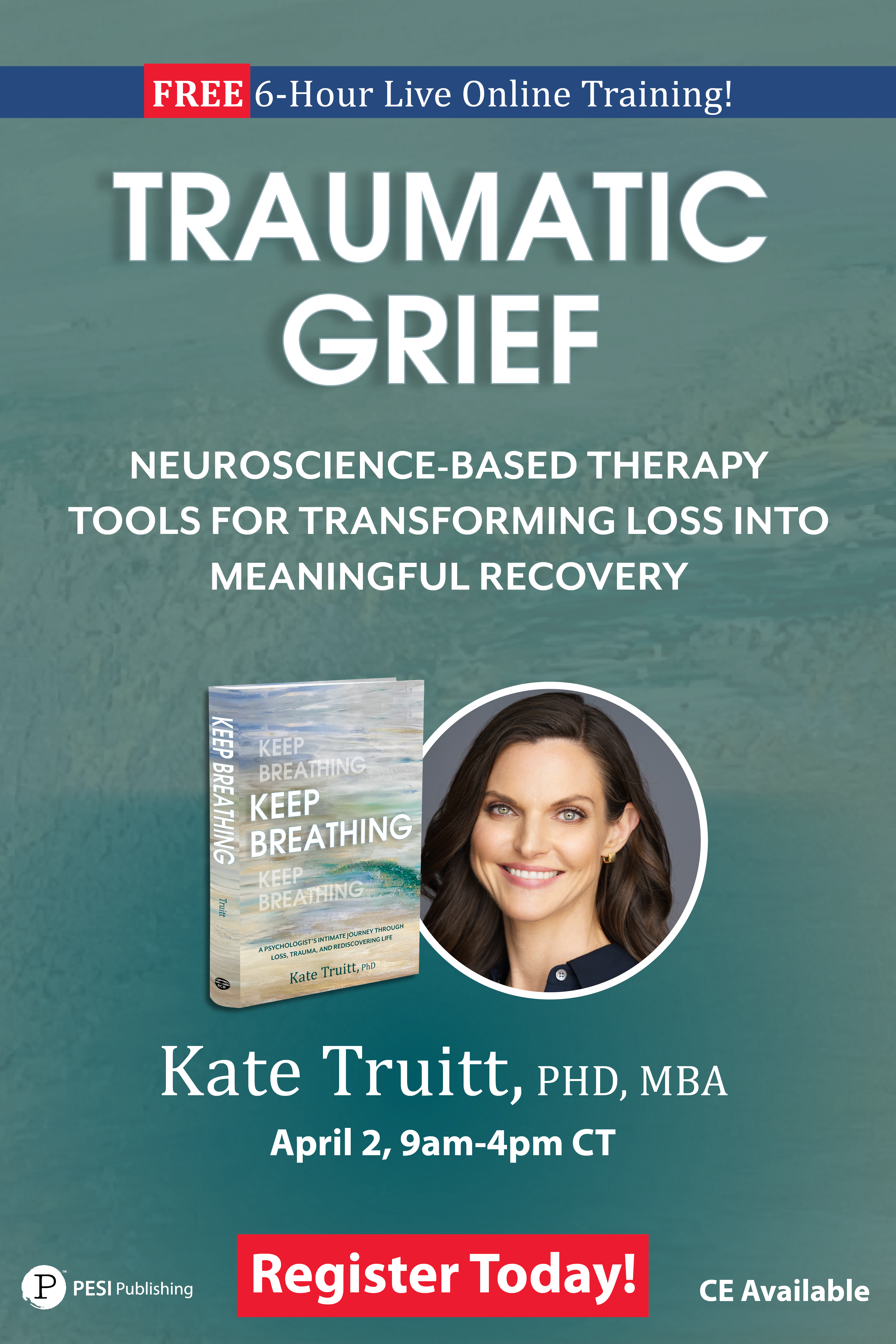
Start here, with Dr. Kate Truitt, seasoned applied neuroscientist and clinical psychologist, for a guided exploration into the science of loss, including the neurological foundations of traumatic grief that can often override healing—and then learn strategies you can use right away with clients to get them on a path toward healing and growth.
Join Dr. Truitt for a 6-hour workshop filled with demonstrations, guided practices, skill building and hands-on strategies. Don’t miss this unique opportunity to enrich your trauma-informed therapeutic toolkit – sign up today!
Join Dr. Truitt for a 6-hour workshop filled with demonstrations, guided practices, skill building and hands-on strategies. Don’t miss this unique opportunity to enrich your trauma-informed therapeutic toolkit – sign up today!
From unthinkable loss to unbreakable resilience...
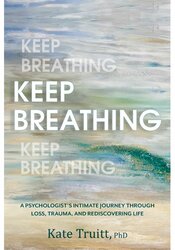
In Keep Breathing, Dr. Kate Truitt, a renowned psychologist, applied neuroscientist, and trauma expert, shares her story of unimaginable loss, trauma, and ultimately, healing. Faced with the sudden-gut wrenching death of her fianće just one week before their wedding day, Kate found her world shattered, catapulting her into a deep void of profound grief, trauma, shock, and guilt.
Part memoir and part scientific exploration, Keep Breathing uses Kate’s own account as a case study to illuminate the common experiences in our human brain – deep love and devasting loss, exhilaration and pain, life and death – that have the power to both derail our lives and ignite us to rebuild, heal, and grow.
Part memoir and part scientific exploration, Keep Breathing uses Kate’s own account as a case study to illuminate the common experiences in our human brain – deep love and devasting loss, exhilaration and pain, life and death – that have the power to both derail our lives and ignite us to rebuild, heal, and grow.
You May Also Be Interested In These Related Blog Posts


