Meet your Grief and Trauma
Experts
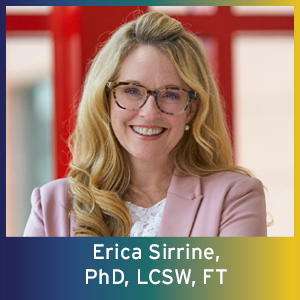
Dr. Erica
Sirrine, the Director of Social Work at St. Jude Children's Research
Hospital, has trained thousands of clinicians in grief and trauma, specializing in support for
adults, children, and adolescents. With over 22 years of experience, she is recognized for her
engaging workshops and impactful research on bereavement, establishing her as a leading voice in the
field.
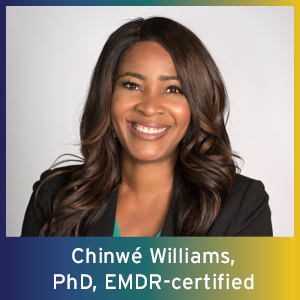
Chinwé
Williams, PhD, is a licensed and board-certified EMDR therapist, and
counselor educator and supervisor with close to two decades of experience supporting individuals in
trauma recovery. She has a strong commitment to helping clients overcome various forms of trauma and
anxiety. As a published researcher, author, consultant, and educator, Dr. Williams brings a wealth
of knowledge to her work.
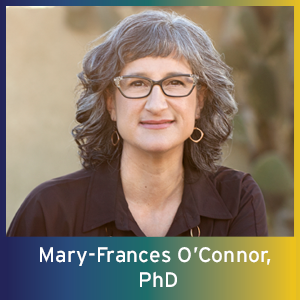
Mary-Frances
O'Connor, PhD, is a leading authority on the brain science of love and
loss and serves as an associate professor of clinical psychology and psychiatry at the University of
Arizona. As the author of The Grieving Brain: The Surprising Science of How We Learn from Love
and Loss and a TEDx speaker, she emphasizes that by understanding how we grieve, we can
create better support systems and interventions for those dealing with prolonged grief disorder,
which was recently included in the revised DSM-5.
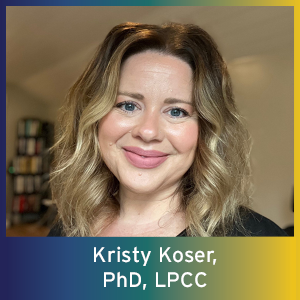
Kristy Koser, PhD,
LPCC, is an accomplished author, speaker, and educator specializing in
reproductive mental health, trauma, and loss. With over a decade of experience in the field of
reproductive psychology, she is a certified emotionally focused couples therapist and has presented
at numerous professional conferences worldwide. Dr. Koser has developed self-help courses for
fertility patients, teaches a comprehensive postgraduate fertility counseling course, and has
contributed to foundational texts on fertility counseling with Cambridge Press.
Tiffani Dilworth,
LPC, CAGCS, FT, is a renowned psychotherapist and author specializing in
grief, PTSD, and sexual assault. An international speaker, she works with organizations and schools
to raise awareness about the grieving process and teaches people how to navigate their grief. With a
private practice and a background in community counseling, Ms. Dilworth combines current research
with innovative treatment techniques, offering practical resources for clinicians. She is the author
of 11 Tools to Help Manage the Aftermath of Trauma and Types of Grief, and hosts
the "Managing My Grief" podcast.
J. Eric Gentry,
PhD, LMHC, DAAETS, FAAETS, CCTP, is a leading authority on traumatic stress
and compassion fatigue, with a PhD from Florida State University under the mentorship of pioneering
researcher Charles Figley. He co-developed the Accelerated Recovery Program, the world's first
evidence-based treatment protocol for compassion fatigue, and has trained over 100,000 health
professionals in this field. With more than 35 years of clinical experience, Dr. Gentry is the
president and CEO of The Forward Facing® Institute and the owner of Compassion Unlimited, a
private practice in Phoenix, AZ, where he specializes in trauma and Complex PTSD.
Lisa Ferentz,
LCSW-C, DAPA, is a leading expert in strengths-based, de-pathologized trauma
treatment with over 35 years of experience in private practice. As the founder of The Ferentz
Institute, she has trained over 1,200 clinicians through her advanced trauma treatment certificate
programs and has presented workshops worldwide. An award-winning social worker and author of several
influential books, Lisa is dedicated to enhancing the understanding of self-destructive behaviors
and promoting healing through her engaging workshops, articles, and webinars.
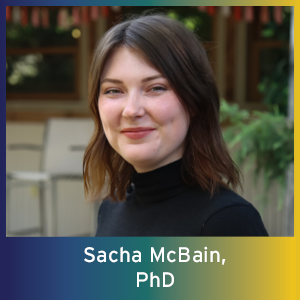
Sacha McBain,
PhD, is a clinical psychologist and assistant professor at the University of
Arkansas for Medical Sciences (UAMS) in Little Rock, AR, where she serves as the associate director
of the Center for Trauma Prevention, Recovery, and Innovation and leads the Trauma Psychology
Consult Service. Dr. McBain provides training and consultation to medical services regarding the
implementation of trauma-informed care practices and healthcare worker wellness initiatives designed
to prevent post-traumatic stress disorder. She has trained in community health and prevention
research and implementation science in order to identify and put into place organizational practices
within healthcare systems designed to increase access to mental health care following a traumatic
event. She serves as an expert panel member on the American College of Surgeons Mental Health and
Substance Use Disorder Best Practice Guidelines Work Group and is an active member of the
International Society for Traumatic Stress Studies.